
Solar Cellular Camera Deployment for Construction Sites
 Maya ChenContributing Editor
September 4, 2026 — The industry shift toward autonomous jobsite monitoring has reached a critical mass as developers prioritize Solar Cellular Camera systems over traditional hardwired surveillance. While the conventional wisdom says that high-definition streaming is the only way to secure a perimeter, the reality is that motion-activated triggers provide more actionable data for foreman and security teams. According to industry analysis by Herd 360, cellular security cameras are now the primary tool for monitoring remote gates and driveways where local network infrastructure is non-existent.
The 5-Step Site Hardening
Deploying a motion-activated cellular camera requires more than just mounting a bracket; it demands a tactical understanding of PIR sensors and LTE signal propagation. The first step involves a signal audit to ensure the 4G LTE cellular trail camera can maintain a handshake with the nearest tower, followed by positioning the Solar Cellular Camera at a height of 10 to 12 feet to maximize the 80-foot detection range typical of high-end sensors. You must calibrate the PIR sensitivity to ignore small animals while flagging human-sized heat signatures, a process that reduces false positives by up to 70%. Run the math: a camera that triggers 500 times a day on swaying branches will deplete its buffer and data plan long before a genuine intruder arrives. For sites requiring broader coverage, integrating an off grid solar security camera system allows for a mesh-like perimeter. The hardware must be rated at least IP66 to survive the abrasive dust and high-pressure washdowns common in heavy industrial environments. When configuring the off grid security camera solar lte settings, the upload interval should be set to 'instant' for motion events to ensure real-time alerts reach the project manager's mobile device. This setup bypasses the need for on-site DVRs, pushing encrypted data directly to the cloud via the SIM card.
Expert tip: Here’s the part nobody talks about—night vision performance on a 2.7k trail camera depends entirely on the infrared flash array's wavelength, so ensure your solar trail camera for construction site monitoring uses 940nm 'no-glow' LEDs to prevent thieves from spotting the camera's location during a breach.
Reliable site security relies on the intersection of persistent power and dependable cellular handshakes. I’ll change my mind when local Wi-Fi mesh networks can match the 99.9% uptime of a dedicated solar trail camera for construction site monitoring paired with a high-gain antenna. The move toward off grid security camera solar lte solutions isn't just a convenience; it is a structural necessity for modern logistics.
Sources
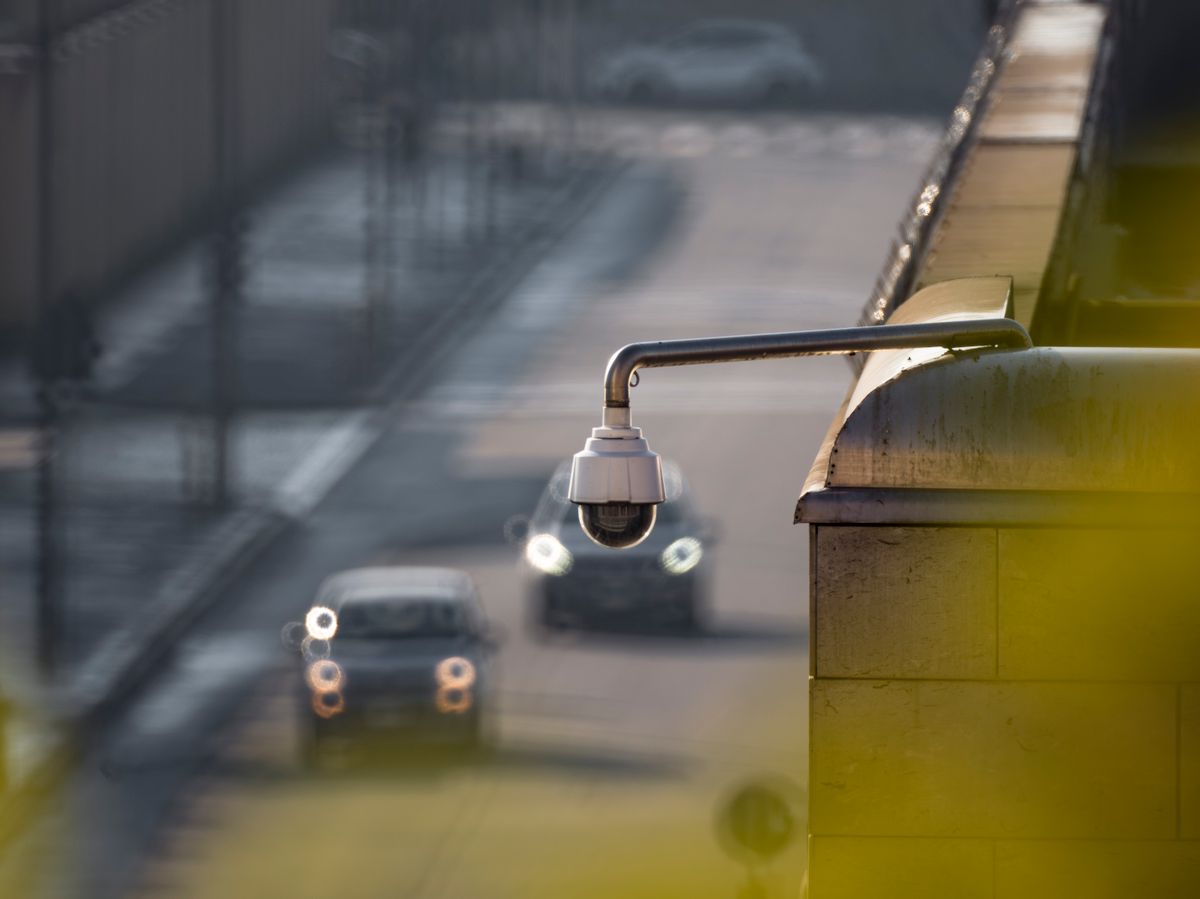
Photo by tommy picone on Pexels
- Jobsite Security Camera for Construction Sites | Reolink US
- Cellular Security Surveillance Cameras
- The Best Cellular Security Camera for Your Construction Site