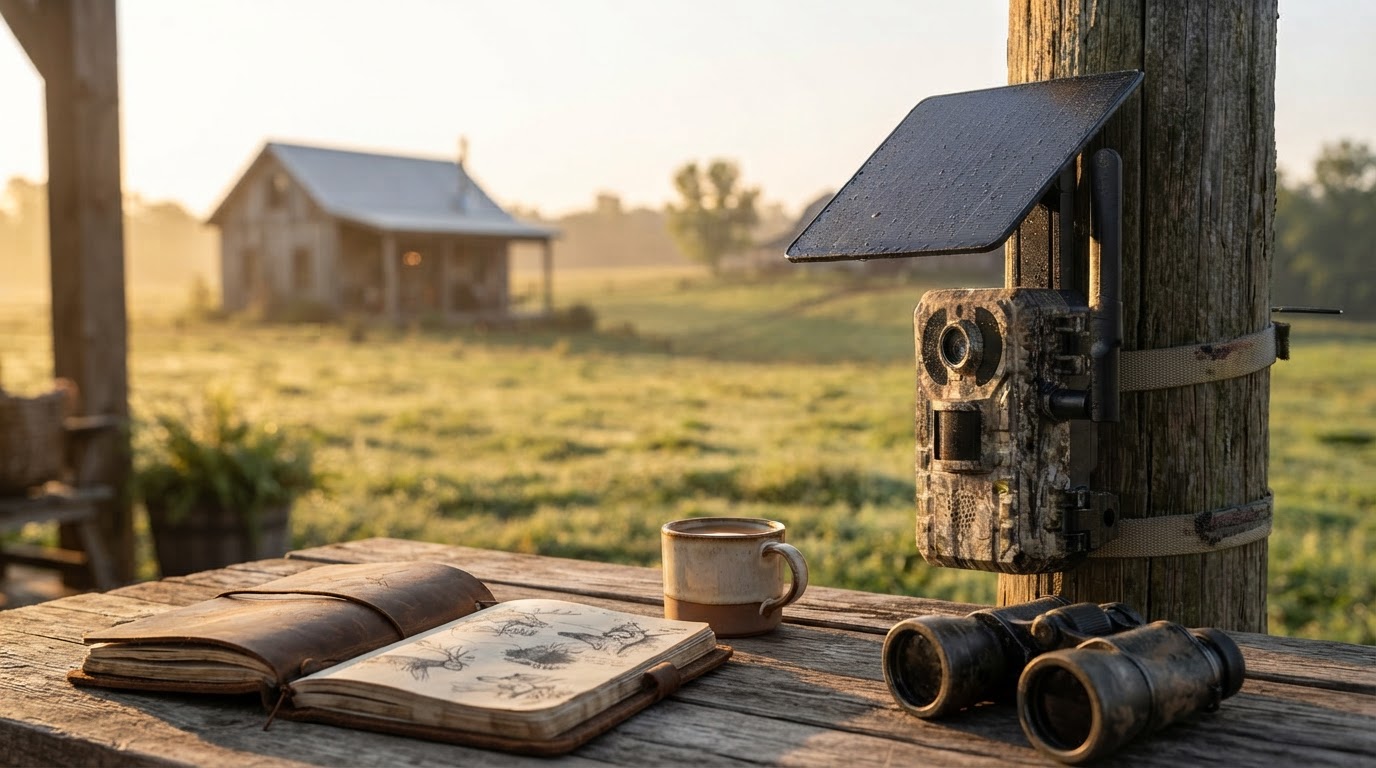
How does a Solar Cellular Camera work off-grid?
 Priya RamanSenior Analyst
September 8, 2026 — An off-grid Solar Cellular Camera functions by integrating high-efficiency photovoltaic panels with 4G LTE modems to provide autonomous surveillance in locations lacking traditional infrastructure.
Property owners and site managers typically seek these systems when physical wiring for power or Wi-Fi is either cost-prohibitive or geographically impossible. Two axes matter here: energy harvesting capacity and data transmission reliability. Think of it as a matrix of power density versus signal strength, where the success of the installation depends on balancing the solar input with the power draw of the cellular radio.
How does the power-to-data ratio affect performance?
The decision rule for off-grid systems is that the daily solar recharge must exceed the total energy consumption of the 4G LTE module and image processor. While standard Wi-Fi cameras rely on a constant low-power connection, a Solar Cellular Camera must manage high-burst energy demands when transmitting 2.7k video or high-resolution images over cellular networks. Research into remote access farm security camera usage shows that power management is the primary failure point, necessitating large internal batteries to bridge periods of low sunlight. Once you see it this way, it becomes clear that the efficiency of the integrated charge controller is just as vital as the wattage of the solar panel itself. This balance ensures the system remains operational during consecutive overcast days while maintaining a persistent link to the cellular tower for real-time alerts.
What are the connectivity requirements for remote sites?
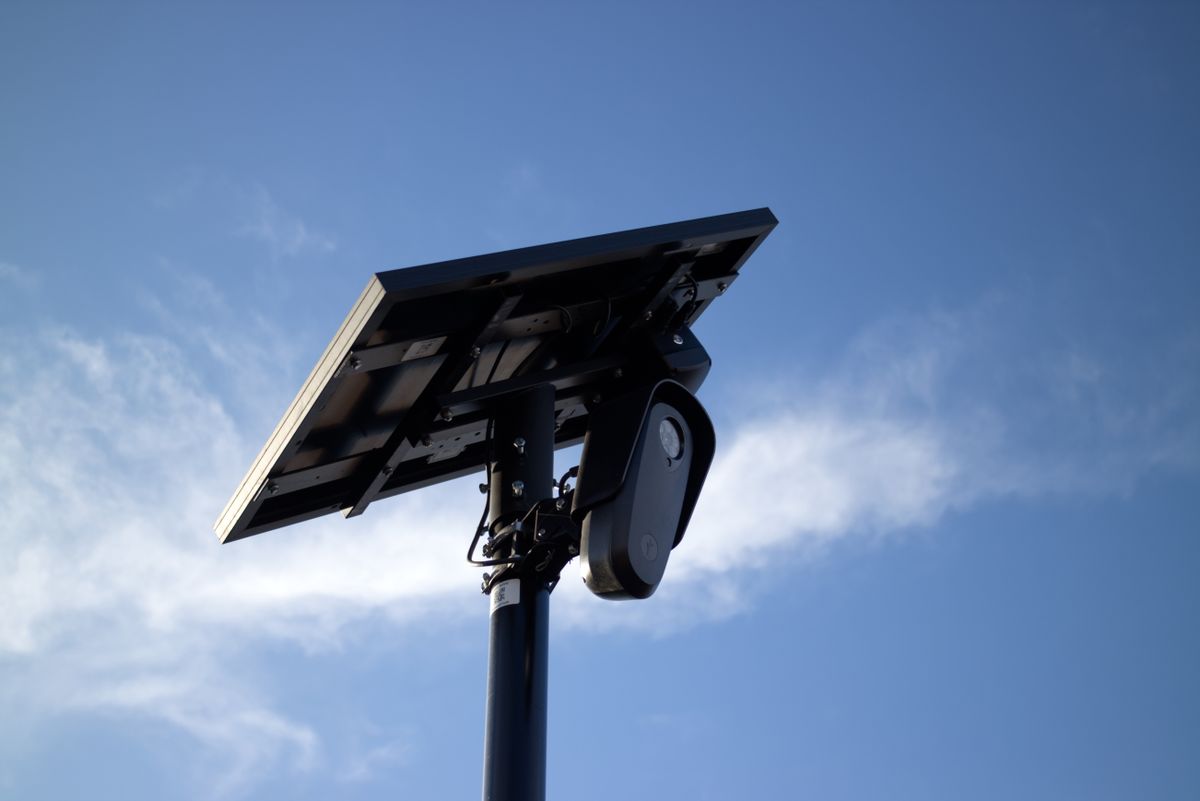
Photo by Will Freeman on Pexels
Reliable off-grid surveillance requires a 4G LTE or 5G signal with sufficient bandwidth to handle motion-activated triggers and live stream requests. Unlike traditional trail cameras that store data locally on SD cards, a Solar Cellular Camera utilizes a SIM card to upload encrypted data to a cloud server, allowing for remote monitoring from any location. Users often find that signal penetration varies significantly based on topography and foliage, which is why external high-gain antennas are frequently employed in deep-woods or rural farm settings. The integration of LTE technology allows these units to bypass the range limitations of local networks, providing a direct gateway to the internet. This connectivity model is particularly effective for off grid security camera solar lte applications where immediate notification of an intrusion is prioritized over simple local recording.
Quick answers
Photo by Matthew Jesús on Pexels
Q: Can these cameras record without a cellular signal? A: Yes, a Solar Cellular Camera typically includes a local microSD slot that records footage even if the 4G connection is lost, though remote alerts will be delayed until the signal is restored. Most units support cards up to 128GB or 256GB.
Q: How much data does a solar cellular system use monthly? A: Monthly data consumption generally ranges from 500MB for basic motion alerts to 5GB or more for frequent live streaming and high-definition video uploads. Many users opt for pre-paid SIM cards to manage costs based on specific site activity levels.
Q: What happens to the camera during the winter months? A: During winter, the Solar Cellular Camera relies on its internal lithium-ion battery, which is designed to operate in temperatures as low as -20 degrees Celsius. The system enters a low-power hibernation mode between motion events to conserve energy when solar gain is minimal.
Q: Is a specific carrier required for these cameras? A: Most Solar Cellular Camera models are carrier-agnostic but require a Nano SIM card that supports the specific LTE bands used by major providers like Verizon, AT&T, or T-Mobile. Compatibility ensures the camera can switch between towers to find the strongest available signal.
For more complex deployments, see how a [motion activated cellular camera for construction site](/blog/motion-activated-cellular-camera-for-construction-site) environments handles high-traffic areas, or explore if a [solar cellular camera construction site monitoring](/blog/solar-cellular-camera-construction-site-monitoring) setup is right for your specific project.
Learn more about Solar Cellular Camera at https://solarcellularcamera.com.