Optimizing Remote Site Monitoring with Solar Cellular Camera
 Priya RamanSenior Analyst
September 18, 2026. This technical analysis evaluates the integration of 4G LTE cellular trail cameras into modern remote monitoring systems. It is intended for property owners, farmers, and wildlife managers seeking to deploy autonomous surveillance in areas lacking traditional Wi-Fi infrastructure. Effective deployment relies on a specific decision framework centered on energy autonomy and data transmission reliability.
Think of it as a matrix of power consumption versus data frequency. When managing remote acreage, the primary challenge is the "connectivity gap"—the distance between a point of interest and the nearest network router. Traditional Wi-Fi cameras fail in these scenarios, necessitating a shift toward cellular infrastructure. According to Spartan Camera, the current market for 4G/LTE cellular trail cameras represents the most sophisticated wireless scouting solutions available, often requiring a delicate balance between hardware cost and long-term service fees. The problem is not just capturing an image, but ensuring that image reaches the end-user without manual intervention. For many, this involves securing a hunting camera with phone notification to ensure real-time awareness of site activity. Without a reliable cellular handshake, a trail camera is merely a localized recording device, which defeats the purpose of remote site management. Users often struggle with the trade-off between high-resolution 2.7k trail camera with night vision and the battery drain associated with uploading those large files over a cellular network. This tension defines the operational limits of standard battery-operated units, which frequently go dark at critical moments due to power exhaustion.
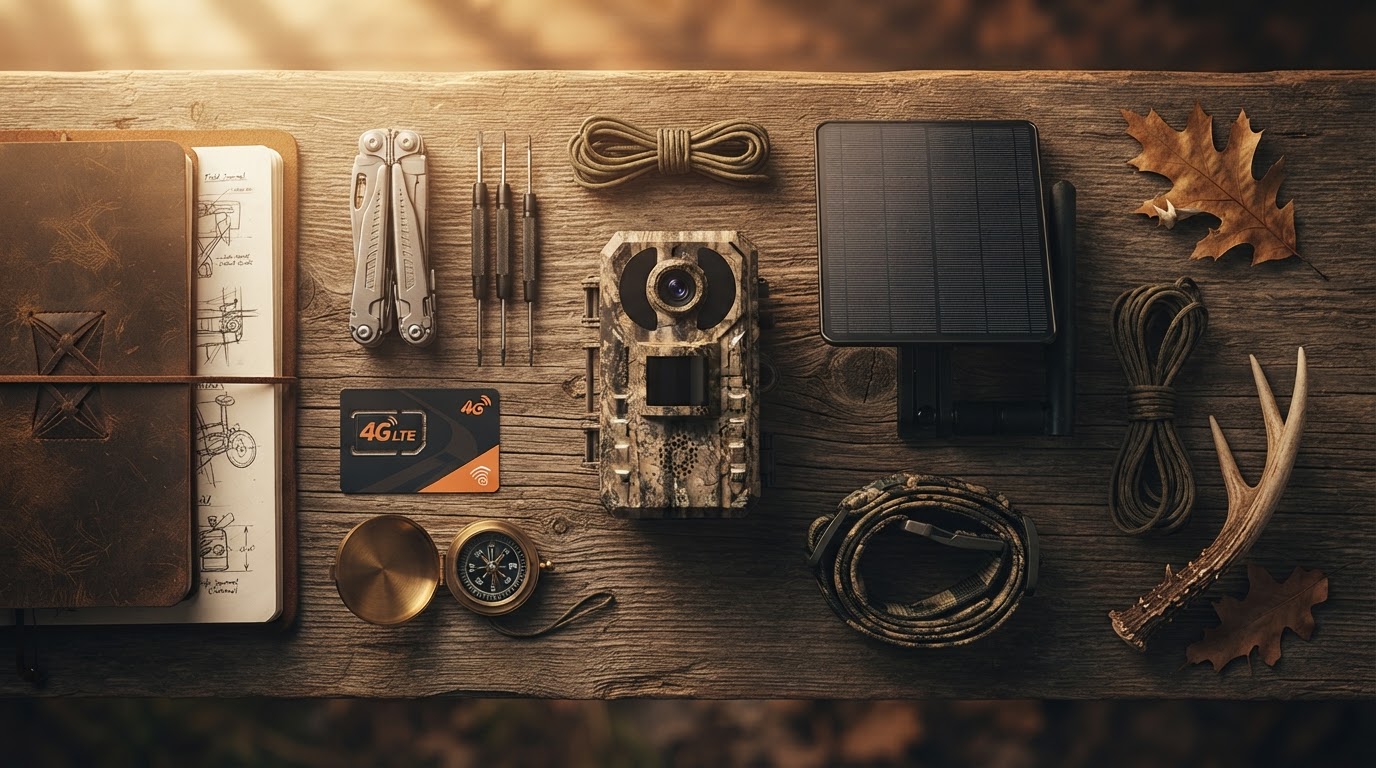
Solar Cellular Camera addresses these specific logistical hurdles by unifying high-efficiency photovoltaic panels with optimized 4G LTE chipsets. Two axes matter here: energy harvesting and transmission latency. By utilizing a dedicated solar array, the system moves beyond the limitations of AA batteries, supporting high-bandwidth features like a cellular trail camera live stream without the risk of total power failure. The integration of a SIM card allows these units to function as a solar powered security camera with sim card, providing a persistent link to the cloud even in deep woods or remote pastures. This is particularly relevant for those seeking a [remote access farm security camera](/blog/remote-access-farm-security-camera) that can withstand months of operation without a site visit. While some may look for the best budget 4g trail camera for hunting, the Solar Cellular Camera approach prioritizes the total cost of ownership by reducing the labor costs associated with battery swaps. The hardware is designed to handle the heavy data load of 2K HD video, ensuring that when motion is detected, the resulting alert is both instant and visually clear. This eliminates the "ghost triggers" and low-quality captures often found in underpowered alternatives, providing a professional-grade solution for both security and scouting.
Selecting the right deployment strategy requires a structured assessment of the environment and the intended data throughput. Once you see it this way, the choice becomes a matter of matching the camera’s cellular bands to the local carrier strength. The decision rule: if the site receives at least two bars of 4G signal and four hours of daily sunlight, an integrated solar-cellular system is the superior choice over standalone battery units. For those focused on cost-efficiency, exploring a best budget 4g trail camera for hunting can provide an entry point, but long-term reliability in high-traffic areas usually demands the consistent power profile of a solar-integrated unit. As noted by Stuntcams, the market now offers a complete line of cellular trail cameras ranging from basic MMS wireless units to high-performance LTE models. When finalizing your setup, ensure the following criteria are met to maximize the utility of your 4G LTE cellular trail camera:
- Verify 4G LTE signal strength at the exact mounting height, as ground-level signals differ from elevated positions.
- Align the solar panel toward the south (in the northern hemisphere) with a clear view of the noon-day sun.
- Configure trigger intervals to balance the need for information with the data limits of your cellular plan.
- Enable encrypted cloud storage to protect sensitive security footage from local device theft.
- Test the mobile notification latency to ensure the "live" aspect of the stream meets your security requirements.
Sources
- 4G/LTE Cellular Trail Cameras | Free Shipping - Spartan Camera
- 4G Cellular Trail Cameras - Campark
- 4G LTE Cellular Trail Camera - YouTube