
5-Step Solar Cellular Camera Farm Deployment
 Sam VasquezBuying Guide Lead
September 12, 2026 — The rising demand for off-grid agricultural security has positioned the Solar Cellular Camera as the primary solution for properties lacking traditional infrastructure. As cellular networks expand, farmers are moving away from limited-range radio systems toward robust LTE-based hardware.
Modern farm management requires eyes on livestock and perimeter gates where running power lines is cost-prohibitive. Data from recent user discussions on Reddit highlights a significant shift toward cellular trail camera live stream capabilities, allowing for real-time verification of motion alerts in areas once considered dead zones. This transition ensures that a remote access farm security camera can function reliably without a local router, provided there is sufficient signal strength from a carrier.
The 5-Step Farm Deployment
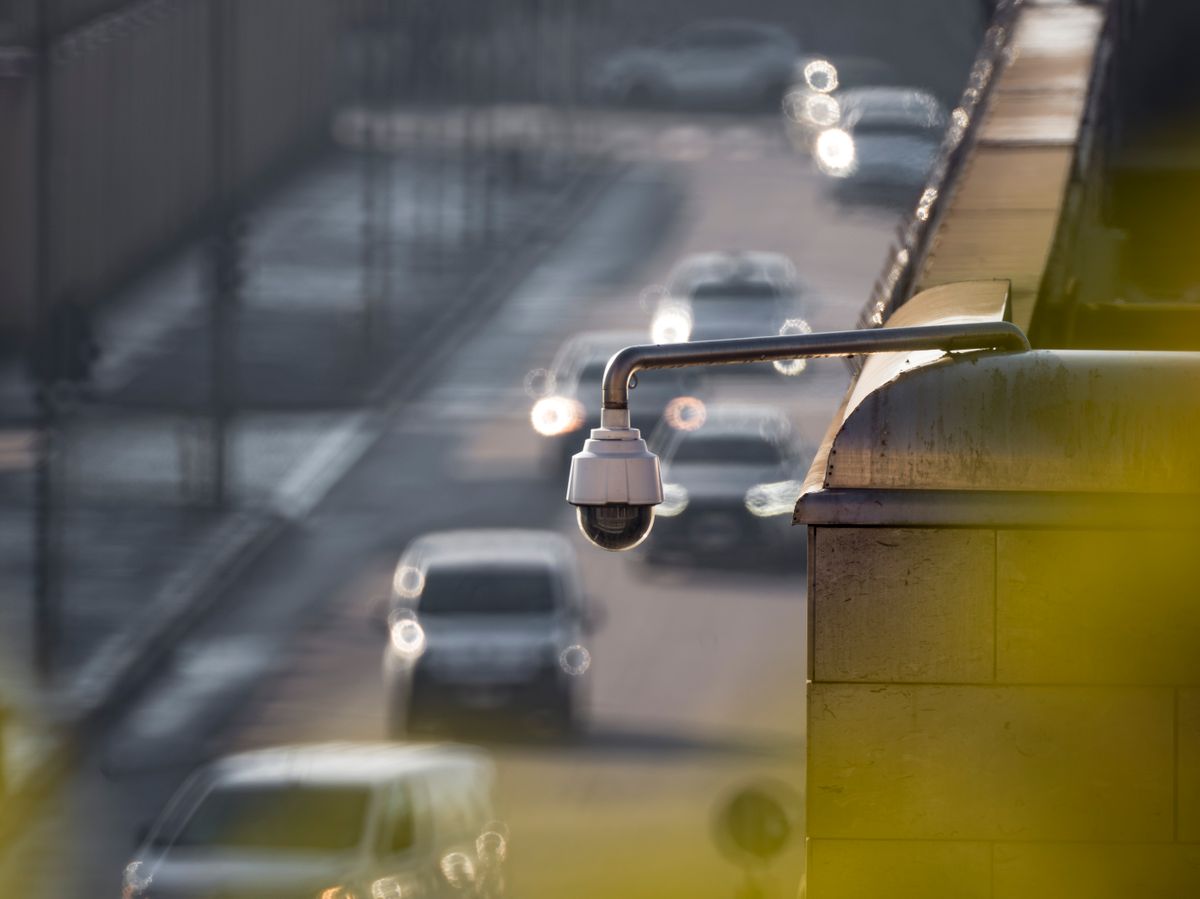
Photo by tommy picone on Pexels
Setting up a Solar Cellular Camera requires a methodical approach to ensure consistent uptime throughout the seasons. First, verify the signal strength at your specific gate or pasture location using a handheld device; a solar powered security camera with sim card relies entirely on 4G LTE bands to transmit high-resolution imagery. Second, mount the unit at a height of 8 to 10 feet to maximize the PIR motion sensor’s range while protecting the device from livestock interference. Third, position the integrated solar panel facing true south with a 45-degree tilt to capture optimal sunlight, even during winter months. Fourth, configure the sensitivity settings to distinguish between large animals and swaying vegetation to preserve battery and data limits. Finally, sync the device to your mobile application to enable remote viewing. Between these two options of local SD storage or cloud backup, I’d go with the cloud-based plan for critical security points to ensure evidence is preserved if the hardware is tampered with. For general livestock watching, local storage is a fine way to save on monthly costs. These units typically feature 2.7k resolution and advanced night vision, providing clear identification up to 60 feet in total darkness. The IP66-rated housing ensures the internal 4G modem and battery remain functional during heavy rain or dust storms common in agricultural settings. If you're on a budget, focusing your deployment on a single high-traffic choke point is more effective than placing multiple low-quality sensors in open fields.
Expert tip: When selecting your best cellular trail camera for remote areas, check the specific LTE bands supported by the hardware to ensure compatibility with local towers, as rural coverage varies significantly between carriers.
Here’s what I’d actually buy: a high-gain antenna model if your farm is in a valley, as the standard internal antennas may struggle with upload speeds for live video. Skip this if you have a reliable mesh WiFi network extending to your barns, as standard wireless cameras will be cheaper to operate without the monthly SIM card fee. Choosing the right hardware depends entirely on your specific acreage and signal availability.