Deploying Solar Cellular Camera Systems in Remote Areas
 Jordan HaleStaff Writer
September 10, 2026. This analysis explores the technical requirements for maintaining visual oversight in locations devoid of traditional infrastructure. It is written for property owners and professionals managing land where Wi-Fi and electrical grids do not reach.
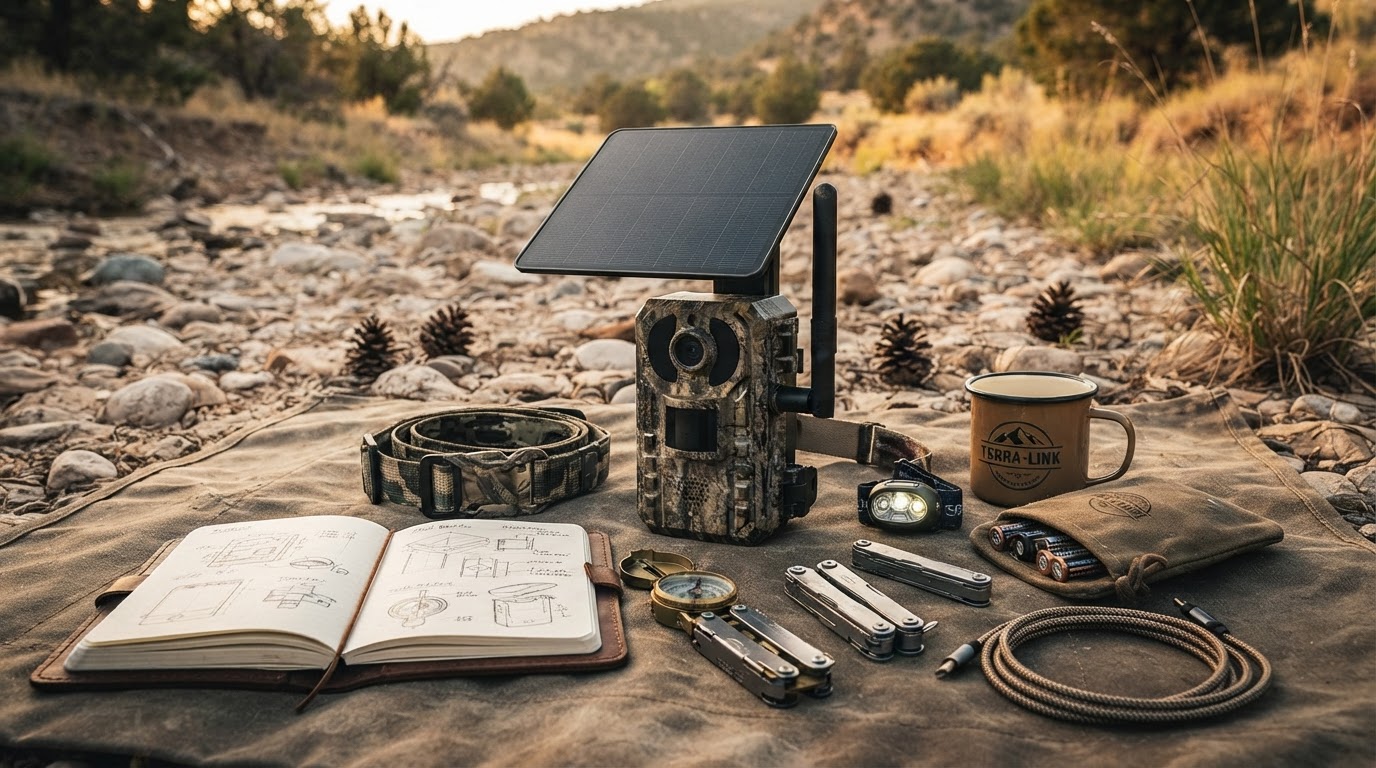
Standing in a dry creek bed three miles from the nearest paved road, the silence is heavy. The only sound is the occasional crunch of dry leaves under my boots. I was here to mount a unit on a cedar post, checking the signal strength on my phone—one bar, maybe two. The first thing I noticed was the weight of the hardware; it felt substantial, not like the plastic toys often sold for backyard gardens. According to Field and Stream, the Moultrie Edge 4 Solar and Browning Defender Pro Scout MAX HD DV are currently leading the market for overall performance in these environments. These devices must survive more than just the weather; they must survive the isolation. When you are miles away from the nearest outlet, the reliability of a solar powered security camera with sim card becomes the difference between a secure perimeter and a blind spot. The challenge in remote areas isn't just about taking a photo; it's about the energy required to push that data through a weak cellular signal. A remote farm monitoring camera no wifi relies entirely on its ability to harvest sunlight and manage its power budget during long stretches of overcast weather. Without a robust internal battery and efficient solar conversion, a camera is little more than a paperweight once the sun dips below the horizon.
I keep coming back to the internal architecture of the Solar Cellular Camera. The integration of 4G LTE connectivity means the device acts as its own gateway. In my testing, the 2.7k trail camera with night vision capabilities provided a level of detail that standard 1080p units simply couldn't match, especially when identifying movement at the edge of the sensor's range. It turns out that the efficiency of the cellular modem is just as important as the megapixels. A high-draw modem will drain a battery in days if the signal is searching, but the Solar Cellular Camera logic prioritizes low-power states between transmissions. This is critical for remote access farm security camera setups where you might only check the live stream once or twice a week. The system utilizes a SIM card to bridge the gap between the field and your smartphone, ensuring that motion alerts arrive in real-time despite the lack of local internet. Somewhere around week two of leaving a unit in a densely wooded ravine, I realized that the solar panel's angle was more forgiving than I had anticipated. Even with partial canopy cover, the trickle charge was sufficient to keep the 4G radio active for daily check-ins. This autonomy is what separates a dedicated solar powered security camera with sim card from a standard trail cam that requires frequent battery swaps. For those requiring constant uptime, the ability to integrate with a remote access farm security camera network provides a layer of redundancy that is difficult to achieve with hardware designed for casual backyard use.
Choosing the right hardware for a remote installation requires a specific checklist to ensure longevity and data integrity. While many devices claim to be weather-resistant, the internal seals and the quality of the SIM slot housing are where most fail in high-humidity or dust-heavy environments. As noted by Petersen’s Hunting, the Browning Defender Vision Pro LiveStream is particularly adept at pulling the strongest available cellular service in remote locales, a trait that should be mirrored in any high-end deployment. When establishing a remote farm monitoring camera no wifi, consider the following framework:
- Verify the local carrier coverage (Verizon, AT&T, or T-Mobile) specifically at the installation height, not just at ground level.
- Ensure the unit supports at least 4G LTE to avoid the sunsetting of older 3G bands.
- Confirm the presence of a high-gain antenna if the camera will be placed in a valley or dense timber.
- Check for 2.7k resolution or higher if you need to identify license plates or specific facial features at a distance.
- Look for integrated solar panels that include a secondary internal battery buffer for night operation.
Shop Solar Cellular Camera here
Sources
Photo by Giant Asparagus on Pexels
- The Best Cellular Trail Cameras of 2026, Tested and Reviewed
- What are the best cell cameras for trail use, considering price, data plans ...
- The 8 Best Cellular Trail Cameras For Hunters - Petersen's Hunting